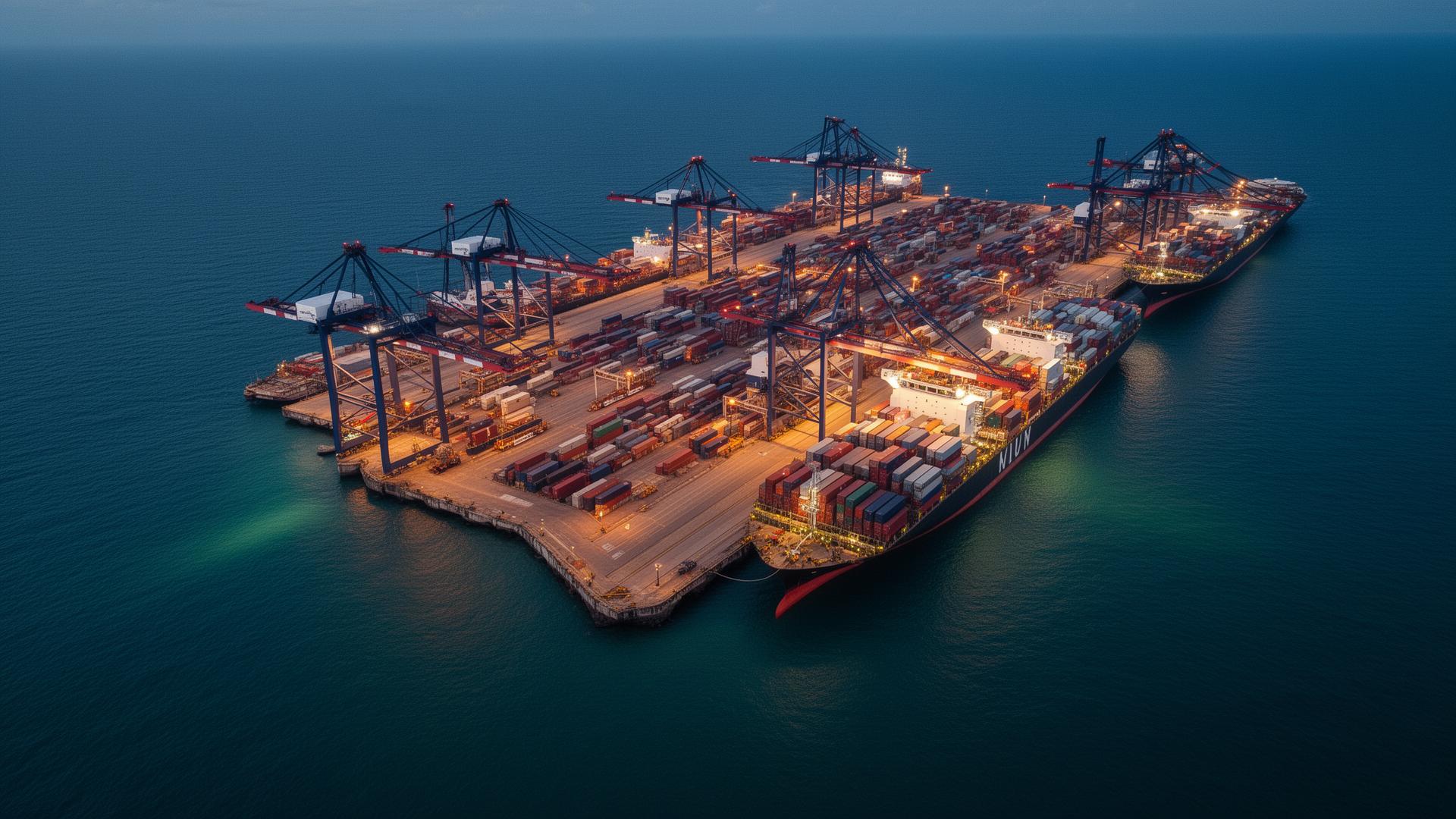
Shared Visibility for Every Port Call
NauticOps provides a shared coordination layer across the different actors involved in a port call, while respecting the systems and responsibilities of each organization. It complements existing systems, without replacing them or interfering with current processes.
No system replacement. No integration project. Operational from day one.
The current port environment
Each port call involves the coordination of multiple actors working in parallel, including port authorities, agents, terminals, pilots, tug operators, and service providers. Each manages information and processes through their own systems. Achieving a shared, real-time view across all stakeholders continues to be a recurring challenge.
Multiple stakeholders, multiple systems
Port authorities, agents, terminals, pilots, tug operators, and service providers manage schedules and data through specialised platforms tailored to their specific roles.
Continuously evolving schedules
ETAs, berth windows, and service schedules are constantly updated. Keeping all stakeholders aligned requires consistent, shared, and up-to-date information.
Specialised systems, limited cross-visibility
Port Community Systems, ERPs, and terminal systems perform essential functions. However, cross-system visibility between them is often partial or fragmented.
A growing need for shared coordination
As volumes, operational complexity, and regulatory requirements increase, the value of a shared coordination layer across stakeholders gains growing relevance.
A Coordination Layer That Works Alongside Existing Systems
NauticOps connects data and stakeholders to create shared visibility across the port call, without requiring changes to your existing processes or tools.
Works with Your Existing Systems
NauticOps integrates with the tools ports already use. It doesn't replace systems, it connects them to provide shared visibility across the port call.
Real-Time Synchronisation
All stakeholders access the same live data: ETAs, berth assignments and service readiness. Manual coordination is significantly reduced.
Role-Based Access
Each participant sees only the information relevant to their role, with built-in permissions and data privacy.
Built to Fit, Not to Compete
NauticOps respects your existing infrastructure and adds a shared coordination layer alongside your current systems, delivering value to every stakeholder.
- Works alongside your current systems
- No disruption to established workflows
- Deployable in weeks, not months
- Immediate visibility improvements
Three Steps Towards a Shared Visibility
Adoption is straightforward. NauticOps fits into your existing ecosystem without disruption.
Connect Your Data
Connect NauticOps to your systems via standard APIs or manual input. Compatible with PCS, ERPs, TOS and other common systems. No migration required.
See a Shared View
ETAs, berth schedules, service readiness and relevant information are consolidated into a single near real-time view, accessible to all authorised stakeholders.
Coordinate Together
Status updates, schedule changes and notifications are automatically shared with relevant stakeholders. Less manual follow-up, more aligned coordination.
Designed for the Entire Port Ecosystem
NauticOps serves all port stakeholders, from regulatory authorities to service providers, through a shared coordination layer.
Port Authorities
Comprehensive visibility of port calls and vessel traffic, supporting regulatory compliance with real-time insights.
Maritime Agents
Management of multiple port calls, event tracking and coordinated updates for shipowners and operators.
Terminal Operators
Berth planning, operational coordination and early visibility of arrivals, services and relevant schedule changes.
Pilots and Towage
Advanced visibility of arrivals, confirmation of service windows and seamless coordination with other port operational actors.
Shipping Lines
Centralised monitoring of fleet port calls, including time tracking and proactive notifications on operational changes.
Service Providers
Reception of service requests, availability confirmation and real-time service status updates shared across stakeholders.
Technology Integrators
APIs and data flows that enable NauticOps to operate as a complementary coordination layer within existing port infrastructure.
Partners and Investors
Pilot programmes, strategic partnerships and collaboration in the evolution of digital port coordination.
Real Port Scenarios, Tangible Results
Practical examples of how NauticOps supports day-to-day coordination across port call stakeholders through shared, real-time operational data.
Synchronized ETA Updates
When a vessel's ETA changes, pilots, towage, mooring, terminals and agents are notified simultaneously. All stakeholders operate on a shared, real-time port call timeline.
Aligned Port Services
When a berth window is confirmed or an operational change occurs, all involved actors receive synchronized updates. The port call status is updated in a synchronized way for all involved actors.
Shared Port Call Flow
Shared visibility of port call status across agents, terminals and service providers. NauticOps connects stakeholders to share operational progress, incidents, breakdowns and planning changes in real time, preventing misalignment throughout the port call.
Port Management Indicators
Consolidated visibility of turnaround times, berth utilization and service progress. Identify incidents and operational patterns, supporting day-to-day operational decisions.
Built for Port Call Coordination
NauticOps helps coordinate port calls in real time by connecting stakeholders and sharing key operational information without friction or changes to existing systems.
Enterprise Security
Operational information is shared securely with role-based access control. Each stakeholder sees only what they need to coordinate their part of the port call.
Open Integration
NauticOps connects easily with the systems port stakeholders already use, without migrations or disruptions to existing workflows.
Designed for Connectivity
A coordination layer that connects status updates, operational progress, incidents, breakdowns, and planning changes across all port call stakeholders.
Industry-Informed
Built from real operational experience with agents, terminals, and port service providers, focused on day-to-day coordination challenges.
Integrates with the existing port ecosystem
Supported by leading port innovation programmes
Built from Real Port Call Reality
NauticOps is built from the day-to-day of a port call: last-minute changes, many stakeholders, and constant coordination by phone and email. We deliver a simple shared layer for real-time coordination and visibility that fits into existing systems—without changing how people work.
Abraham Riveiro Sotelo
Founder & CEO
Port calls & vessel ops background · Product and pilots
Seafarer and founder of NauticOps. Brings field insight from real vessel operations and port calls, turning it into a practical product that helps port stakeholders coordinate through shared, real-time information.
José Ramón Cobián Fernández
CTO
Engineering & data · Platform and scalability
CTO at NauticOps. Turns port call operational needs into a robust, scalable platform—data integration, architecture and automation to keep coordination reliable and fast.
Looking to improve coordination and visibility across your port calls?
Request a demo to discover how NauticOps complements your existing systems with a shared coordination layer for port calls.
- Personalised platform walkthrough
- Discussion of your specific use cases
- Integration assessment with your systems
- Pilot programme options